
A professional, transformative and international
experience in the heart of Bologna
A professional, transformative and international experience in the heart of Bologna













A professional, transformative and international
experience in the heart of Bologna
A professional, transformative and international experience in the heart of Bologna
The International Filmmaking Academy is pleased to announce that the IFA Masterclass in Filmmaking will bring to the city of Bologna Lav Diaz, Master Teacher for 2026.
A selected group of filmmakers will have the rare opportunity to engage directly with his unique vision and personal approach to filmmaking, in a once-in a lifetime masterclass experience.
Under his guidance, participants will develop and produce their short films in Bologna, with the aim of affirming their own authorial voice.
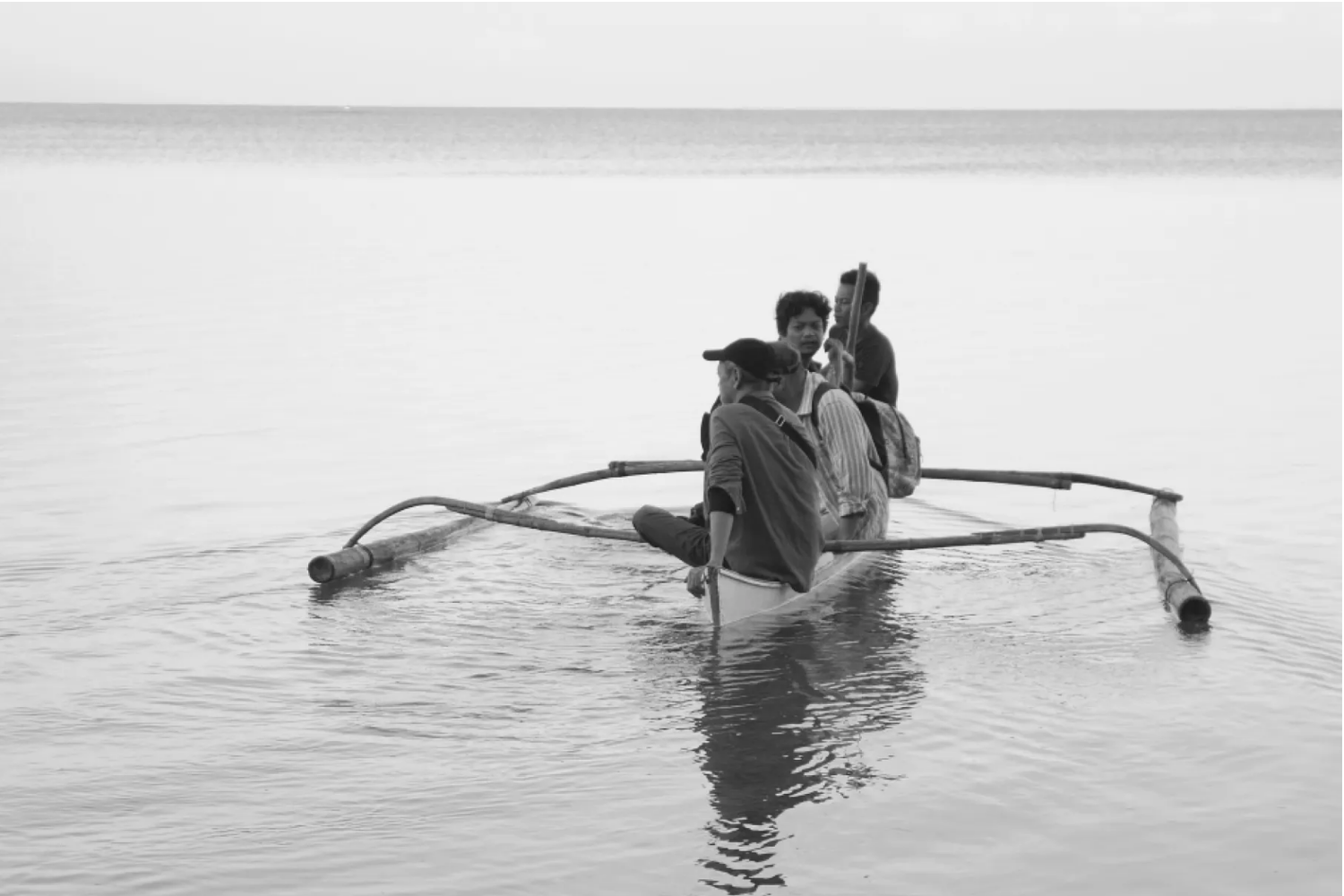
Lav Diaz is a revolutionary voice in world cinema, redefining the relationship between time and narrative. With his radical use of duration, minimalist storytelling, and stark black-and-white cinematography, Diaz crafts deeply reflective, political works that confront history, trauma, and collective identity.
Every year, we invite the best auteurs of our time. Past editions have hosted legends like Bernardo Bertolucci, Abbas Kiarostami, Béla Tarr, Danis Tanovic, Cristian Mungiu, Jane Campion, John Landis, Andrey Zvyagintsev, Asghar Farhadi, and Ruben Östlund, our Honorary President.
Lav Diaz is one of the most radical and uncompromising voices in contemporary cinema. Born in the Philippines in 1958, he has transformed the political turmoil of his homeland into a profound cinematic investigation of memory, violence, trauma, and collective identity. Diaz’s films are not meant for passive viewing they demand active engagement and deep reflection, inviting viewers to reconsider the very nature of time, narrative, and history in cinema.
Emerging from a backdrop of political unrest and a complex colonial past, Diaz’s cinema is deeply rooted in a critical exploration of the socio-political history of the Philippines. His films address the scars of violence, dictatorship, and revolution, using cinema as a means to confront the often-silenced wounds of collective trauma. Through his work, Diaz draws profound connections between the past and present, creating a space for viewers to reflect on the mechanisms of memory, forgetting, and historical identity.
What sets Diaz apart is his radical rethinking of cinematic time. Rejecting the conventions of mainstream cinema: fast-paced editing, simplified narratives, and visual spectacle – he embraces extreme duration, long takes, and a minimalist narrative structure. His films are expansive and immersive, inviting the viewer to linger within moments of stillness, silence, and contemplation. By stretching time, Diaz offers a cinematic experience that allows the weight of history, violence, and human experience to be felt on a deeply visceral level.
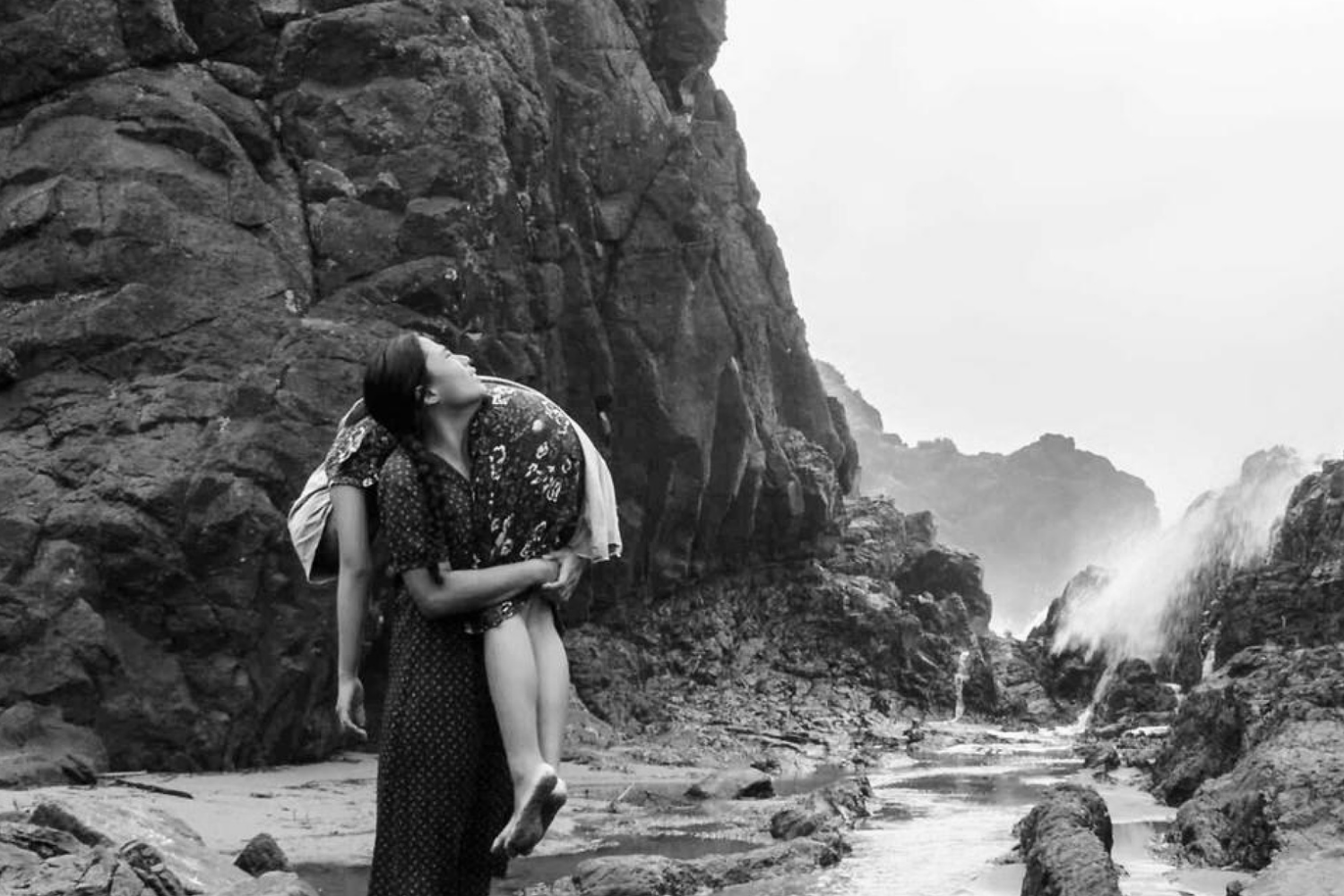
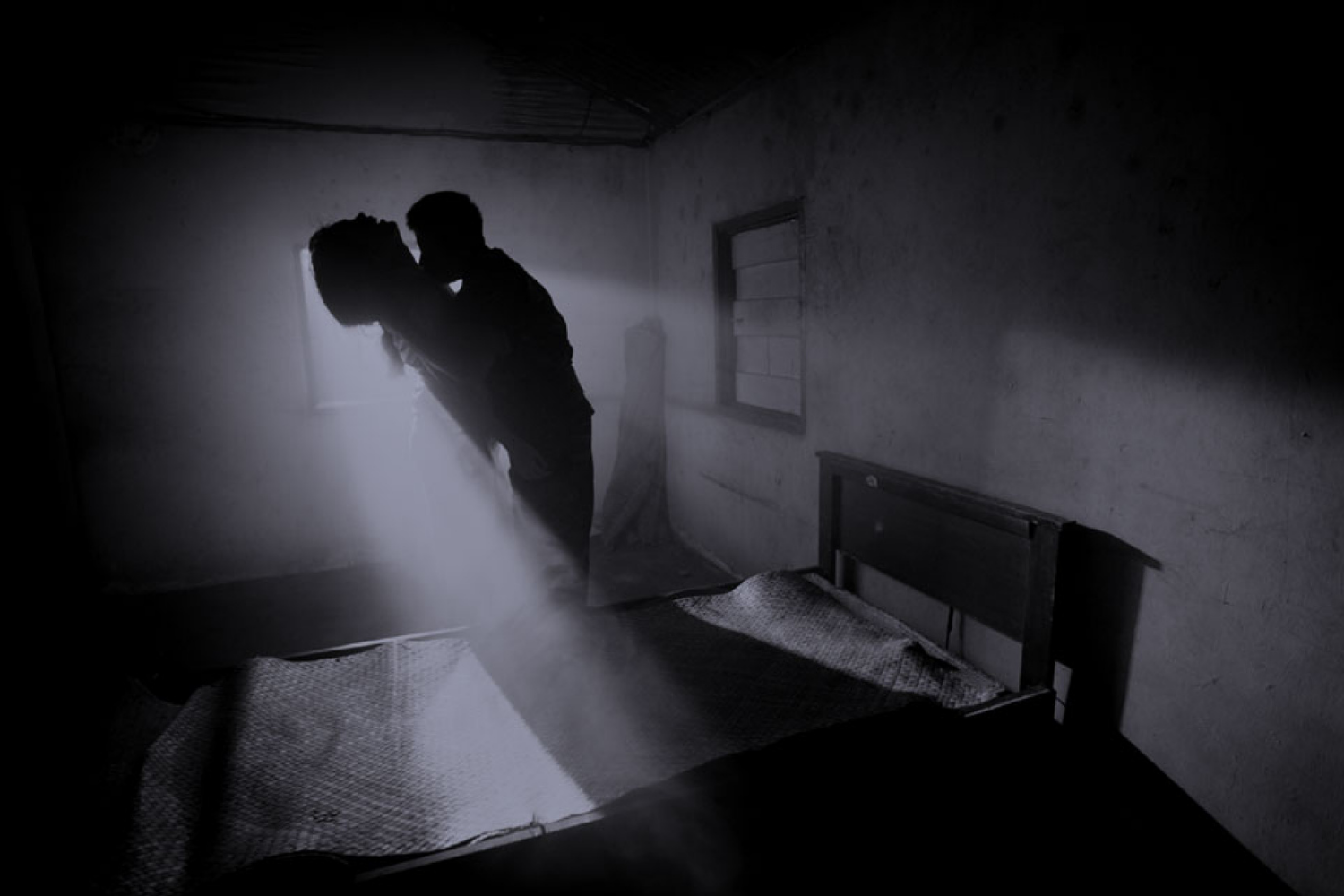
Central to Diaz’s aesthetic is his use of black-and-white cinematography, a tool of abstraction that conveys a timeless, universal quality. The stark contrasts of light and shadow intensify the emotional power of his scenes, where every gesture, every pause, is imbued with meaning. While his work is often referred to as “slow cinema,” this label is insufficient to describe the radical depth of his vision. Diaz’s films are not merely slow—they are meditative, transformative, and intellectually challenging, pushing the boundaries of what cinema can achieve.
Diaz’s major works – Norte, the End of History (2013), From What Is Before (2014), and The Woman Who Left(2016) – have received widespread international acclaim, with major awards at Venice, Berlin, and Locarno, including the Golden Lion at Venice and the Golden Leopard at Locarno. These films are not just critiques of history; they are profound meditations on the human condition, inviting the viewer to confront the cyclical nature of violence, the scars of colonialism, and the difficulties of reconciling the past with the present.
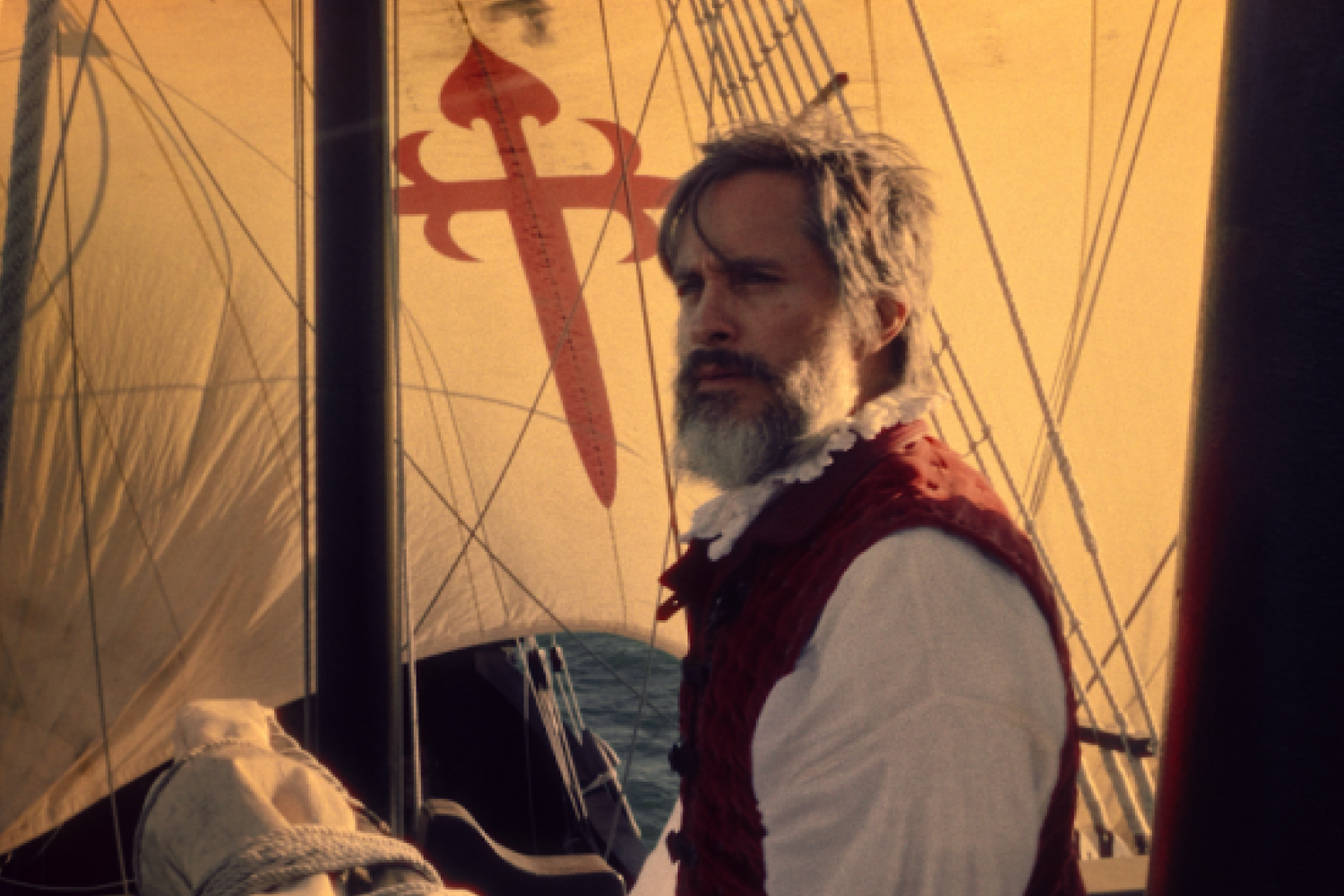
In his most recent work, Magellan (2025), Diaz continues his exploration of history, focusing on the legendary journey of Ferdinand Magellan. True to his style, Diaz’s approach to this historical narrative will likely challenge the linearity of storytelling, instead offering a slow, contemplative examination of colonialism, power, and the intersection of personal and collective destinies. As always, Diaz’s work invites us to reconsider the forces that have shaped global history through a deeply personal and philosophical lens.
His films do not simply recount events, they reconstruct our understanding of time, history, and memory. By rejecting conventional filmmaking techniques, Diaz has developed a radically personal cinematic language that invites intellectual and emotional engagement, transforming cinema into a means of political and philosophical reflection.
Today, Lav Diaz is considered one of the most essential auteurs of world cinema, whose work continues to challenge, provoke, and expand the boundaries of what cinema can be. For filmmakers seeking to understand the true potential of film as a tool for deep reflection, his work offers a privileged opportunity to engage with an extraordinary vision that transcends traditional narrative forms. Participating in his masterclass is not just a chance to learn—it is an invitation to be part of a unique cinematic journey that challenges conventional norms and reshapes how we perceive the world and our place within it.
Emerging
Directors
Emerging
DOP
Assistant
Directors
SHORT
MOVIES
The program is in English and will take place in Bologna from June 25th to July 7th 2026.
The tuition fee for the participation in IFA Masterclass is 5.000 euros which includes:
APPLICATION FOR MASTERCLASS 2026 : Open
30 international talents will be divided into three categories: 10 Directors, 10 DOPs & 10 Assistant Directors.
10 Filmmakers will write their script before they arrive to Bologna.
The participants will have access to the local actors’ book and the locations’ book, in order to make their creative choices match the beautiful setting of Bologna.
One online meeting with IFA Master Teacher will be organize before the beginning of the IFA Masterclass in Filmmaking in Bologna.
JUNE 25TH – JULY 7TH: THE IFA MASTERCLASS
1st WEEK: IFA Master Teachers will shares his experience, aesthetic and approach and dives deep into his cinematographic practice. All the participants are involved, and each talent will have the opportunity to nurture their own authorial and professional vision.
2nd WEEK: shooting and editing of 10 short films in various locations around Bologna. The IFA participants will be supported by Italian emerging professionals who will serve as location managers, and production assistants as a crew, assisting all participants.
10 short films will be premiered at the Cinema Lumière in Bologna on the last day of the Masterclass.